

This company has no active jobs
0 Review
Rate This Company ( No reviews yet )

Something About Company
How Much Can Soffit Installation Experts Make?
Fascia and Soffit Installation: A Complete Guide
Setting up fascia and soffit can considerably improve the looks of a home while offering vital security against the aspects. By functioning as shielded barriers at the eaves and edges of the roofline, they prevent water damage, bug problems, and the wear and tear of underlying structural components. This article explores the importance of fascia and soffit, explains their installation procedure, and highlights bottom lines to make sure an effective job.
Comprehending Fascia and Soffit
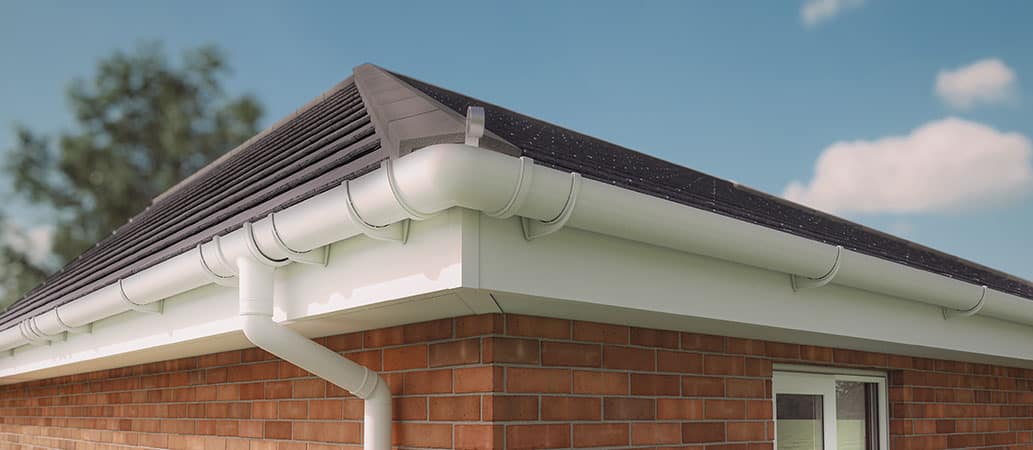
Fascia refers to the horizontal boards installed at the rafter ends, forming the roof’s edge. Usually made from products such as wood, vinyl, or aluminum, fascia supports the rain gutters and assists with appropriate roof drainage. On the other hand, soffit is the material that covers the underside of the eave, providing ventilation and defense from the elements while contributing to the home’s general curb appeal.
Secret Functions of Fascia and Soffit:
- Protection: Prevents water seepage and damage.
- Ventilation: Allows air flow to attic areas, lowering heat buildup.
- Aesthetic appeals: Defines the roofline and improves the home’s appearance.
- Support: Serves as a structural element for seamless gutters.
Materials for Fascia and Soffit
Picking the best products for fascia and soffit is important for toughness and functionality. Here are common materials utilized in their installation:
| Material | Benefits | Drawbacks |
|---|---|---|
| Wood | Versatile, visually pleasing | Prone to rot, needs maintenance |
| Vinyl | Low maintenance, resistant to fading | Can crack in severe temperature levels |
| Aluminum | Resilient, weather-resistant | Can dent easily, more expensive |
| Composite | Light-weight, mimics wood aesthetics | Normally more pricey |
Installation Process
Installing fascia and soffit involves a series of actions that demand careful preparation and execution. Below is a thorough guide to the installation process:
Tools and Materials List
Tools:
- Measuring tape
- Circular saw or miter saw
- Hammer or nail gun
- Level
- Ladder
- Security goggles
- Caulking gun
- Trowel
Materials:
- Fascia boards
- Soffit panels
- Flashing
- Nails or screws
- Guide and paint (if utilizing wood)
- Ventilation accessories (if needed)
Step-by-Step Installation:
Preparation:
- Inspect the roofline for indications of damage or decay; replace any broken roof materials.
- Measure the length of the fascia boards required based upon the roofline dimensions.
Eliminate Old Fascia and Soffit (if applicable):
- Carefully remove existing fascia and soffit, ensuring not to damage nearby structures.
Set up Fascia:
- Cut the fascia boards to size.
- Using nails or screws, protect the fascia boards along the rafter ends, ensuring they are level and correctly aligned.
- Apply a sealant in between the fascia board and the roofing system deck for waterproofing.
Set up Soffit:
- Determine whether to use ventilated or closed soffit panels.
- Cut the soffit panels to size and protect them in location. Guarantee enough spaces for ventilation if using aerated panels.
Finishing Touches:
- Install flashing to prevent water intrusion at joints.
- Caulk and paint (if essential) to match the home’s exterior and guarantee a completed look.
Final Inspection:
- Once completed, examine the installation for evenness, security, and appropriate alignment.
Frequently asked questions About Fascia and Soffit Installation
Q1: How frequently should fascia and soffit be replaced?A1: The replacement frequency mainly depends on the product used, where wood normally lasts 10-15 years, while aluminum and vinyl can last considerably longer with correct maintenance.
Q2: Can I install Fascia And soffit installation and soffit on my own?A2: Yes, if you are comfortable working at heights and geared up with the right tools, you can set up fascia and soffit by yourself. However, working with a professional makes sure safety and quality.
Q3: What kind of ventilation is best for soffits?A3: Continuous soffit ventilation supplies reliable air flow, promoting appropriate attic ventilation and decreasing moisture accumulation.
Q4: How do I avoid pests from nesting in my soffits?A4: Installing screens and regular examinations can assist make sure no gaps are present where bugs can get in.
Q5: Are there any maintenance suggestions for fascia and soffit?A5: Regular assessments for damage, cleaning seamless gutters to avoid water overflow, and repainting wood fascia can extend the products’ life.
Fascia and soffit play a vital role in any roof system, serving both functional and visual purposes. By understanding the materials readily available, following a comprehensive installation process, and understanding what maintenance is needed, property owners can considerably boost their home’s appearance and resilience. Whether undertaking the job as a DIY or deciding to employ a professional, guarantee quality products and approaches are used for the very best results.